
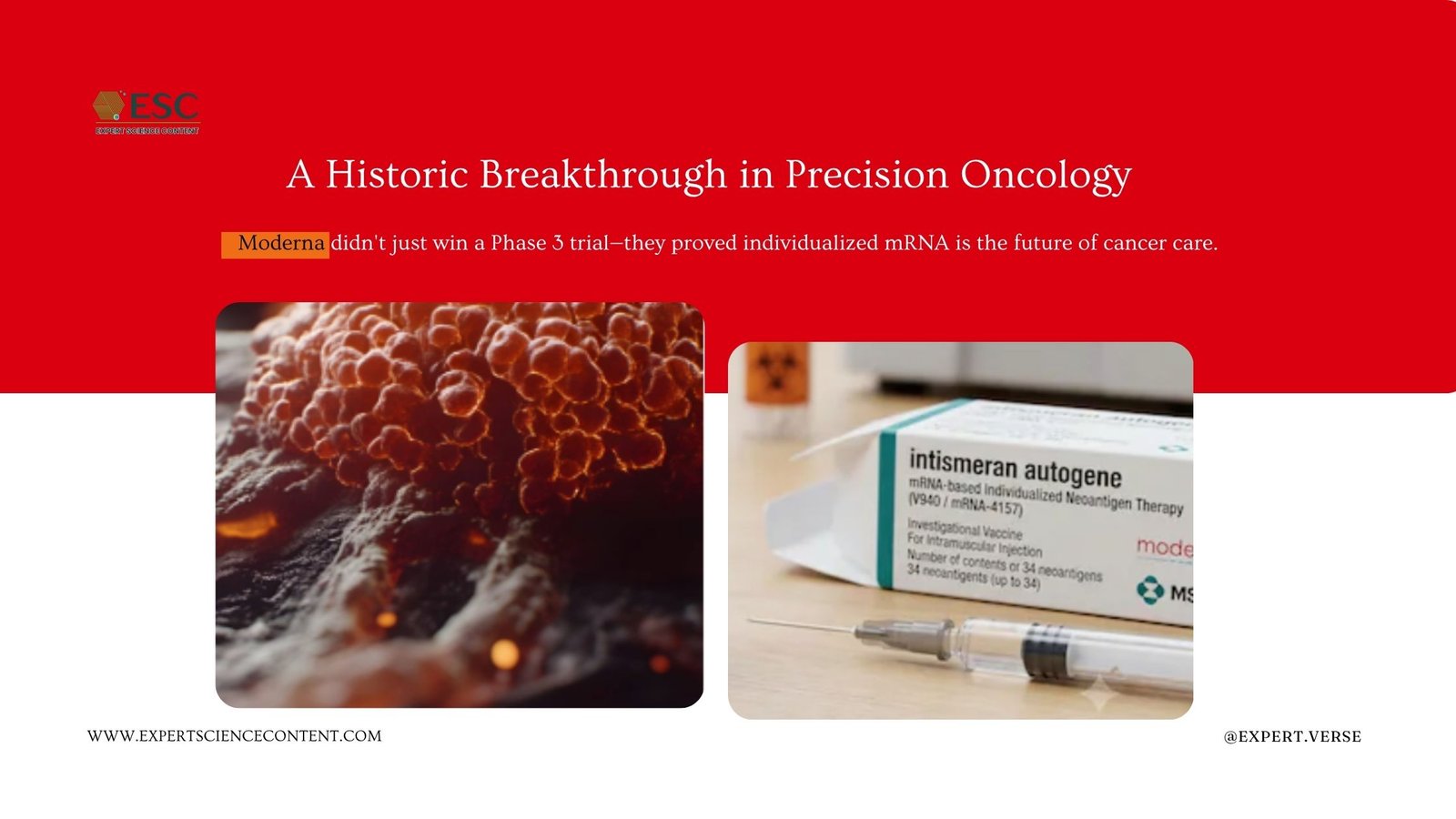
Moderna & Merck Phase 3 Victory: How Intismeran Autogene Is Redefining Cancer Care
- Published By: Dr. Anindita Talukdar
- Published On: August 22, 2026
- 5 Minutes to read
Precision Oncology Unleashed: How Moderna’s mRNA Neoantigen Vaccine Is Rewriting Cancer Care

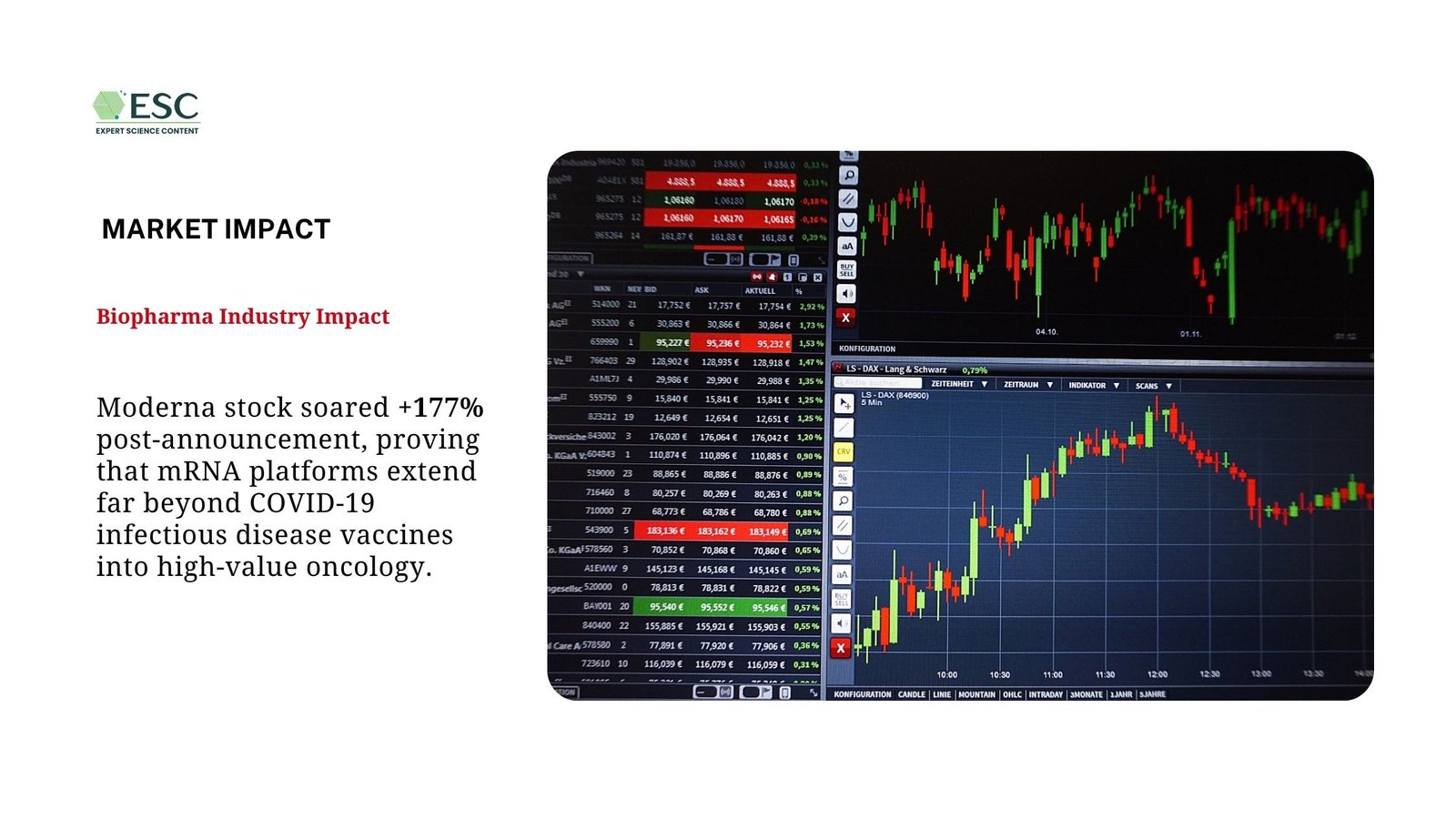
In a landmark victory for precision medicine, Moderna and Merck announced positive top-line results from the pivotal Phase 3 INTerpath-001 trial. Evaluating intismeran autogene (mRNA-4157) in combination with pembrolizumab (Keytruda), the trial met its primary endpoint of recurrence-free survival (RFS) and key secondary endpoint of distant metastasis-free survival (DMFS) in patients with resected Stage IIB–IV melanoma. This marks the first Phase 3 success for an mRNA-based individualized neoantigen therapy in oncology. Following the announcement, Wall Street responded with unprecedented enthusiasm as Moderna stocks soared 177% in a single session—nearly tripling its market valuation.
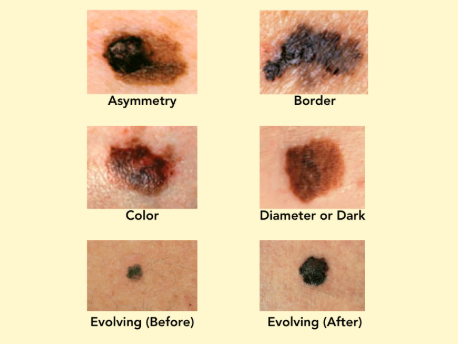
Melanoma | Image Credit: @skincancerorg
The Science Behind Neoantigens and Dual Immunotherapy
Cancer cells harbor unique mutations distinct from normal human tissue. These mutations generate mutated proteins called neoantigens—foreign targets that the host immune system can theoretically identify and destroy.
Intismeran autogene is a highly customized, patient-specific mRNA therapy. Using high-throughput genomic sequencing of a patient’s resected tumor, proprietary algorithms identify up to 34 unique neoantigen signatures. These optimized sequences are packaged into synthetic mRNA lipid nanoparticles. Once injected, human cells translate the mRNA, triggering antigen-presenting cells to train cytotoxic T-cells to attack micro-metastatic cancer cells expressing those exact neoantigens.
When combined with pembrolizumab—a PD-1 checkpoint inhibitor that prevents tumor cells from “hiding” from T-cells—the therapy creates a powerful dual attack: intismeran sharpens the immune system’s target focus, while pembrolizumab removes the immunological brakes.
“These first Phase 3 findings for intismeran in combination with KEYTRUDA as adjuvant therapy reinforce the promise of a more personalized approach to cancer treatment. We believe individualized neoantigen therapies have the potential to redefine how patients with completely resected stage IIB-IV melanoma are treated.” Dean Y. Li, MD, PhD, president of Merck Research Laboratories
Learn the 4 Steps to Precision Attack and the effect of Intismeran Autogene
- Biopsy & Sequence: Patient tumor tissue is sequenced to find up to 34 patient-specific mutations.
- Synthetic mRNA Code: An algorithm crafts custom mRNA encoding these unique neoantigens.
- Train T-Cells: Vaccine primes immune cells, particularly T cells, to recognize and target matching tumor cells.
- Anti-tumor response: Targeted tumor cells were mounted with anti-tumor response. The National Cancer Institute describes it as treatments designed to teach immune cells to specifically recognise tumor cells.
Moderna’s mRNA Neoantigen Vaccine: Success to Date, Limitations, and Future Horizons
The trial proved that adding intismeran autogene significantly outperforms pembrolizumab alone—the current standard of care. Beyond clinical validation, the breakthrough sparked a financial windfall, adding over $40 billion to Moderna’s market capitalization on August 19.
However, restrictions and practical hurdles remain:
- Manufacturing Timelines: Because each batch is custom-made, sequencing, designing, and formulating individualized mRNA therapies requires weeks, making rapid biopsy delivery critical.
- High Mutational Burden Reliance: The platform relies on tumors producing distinct target neoantigens, which may limit efficacy in “cold” tumors with lower mutation rates.
- Cost & Scalability: Onboarding personalized, single-patient biological manufacturing on a global scale presents complex logistical and economic constraints.
Despite these challenges, intismeran autogene proves that training the immune system against a personalized tumor fingerprint is no longer theoretical—it is the next frontier of adjuvant oncology.

- FDA & EMA Regulatory Approval (Accelerated approval filings underway with major health agencies worldwide)
- Pipeline Expansion (Phase 2 & 3 trials active for Non-Small Cell Lung Cancer (NSCLC) & Renal Cell Cancer)
- Automated Rapid Manufacturing (Scaling personalized batch manufacturing to under 6 weeks from biopsy harvest)
Moderna, melanoma, Cancer, intismeran autogene, neoantigens, INTerpath-001 trial, pembrolizumab
Learn more:
Connect with Expert.Verse today
Dr. Anindita Talukdar
The creative behind ESC sharing smart actionable tips and insights to level up writing and research skill.
Join ESC
Get our newsletter
Dr. Anindita Talukdar
The creative behind ESC sharing smart actionable tips and insights to level up writing and research skill.