
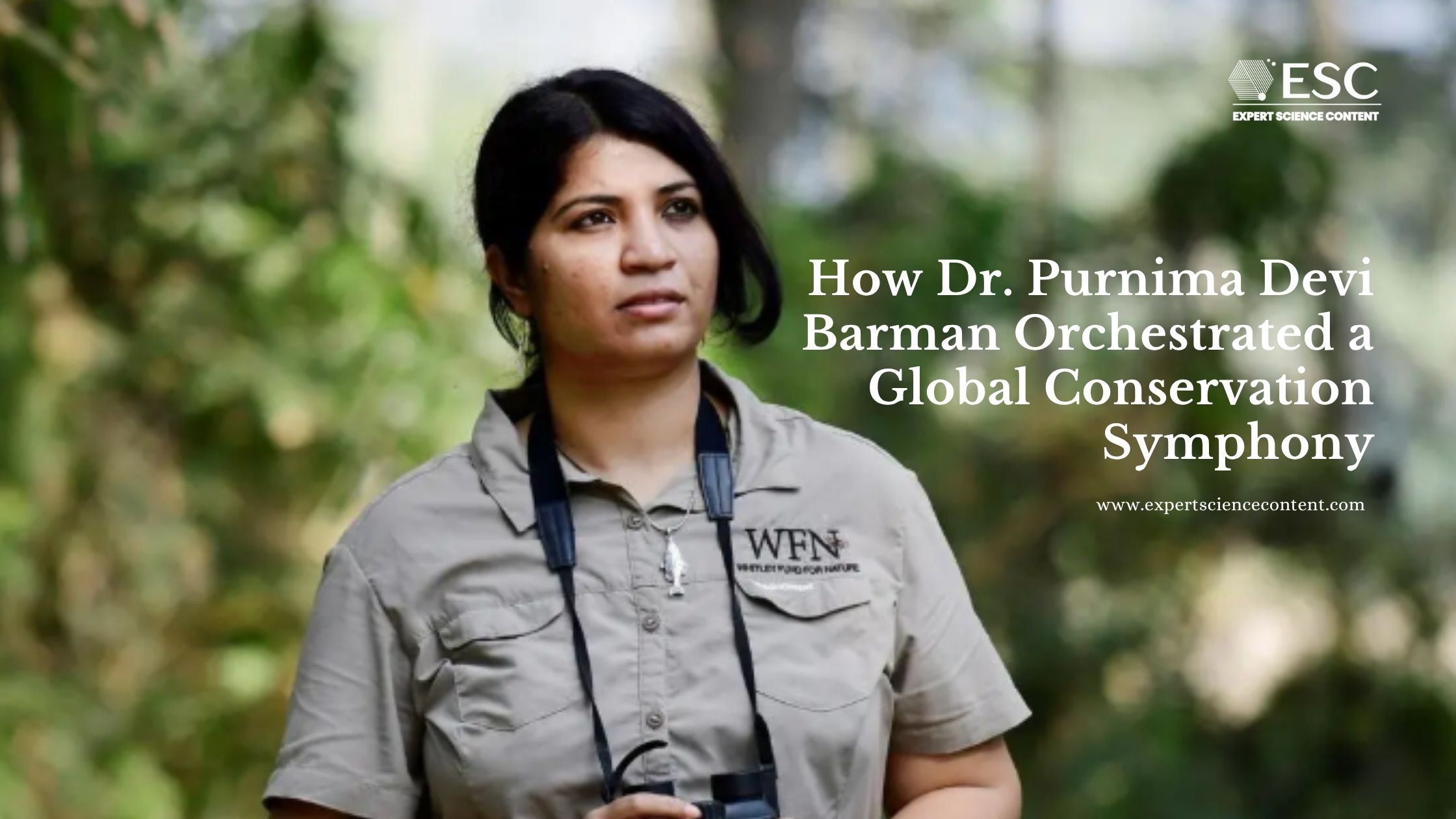
 In the heart of Assam’s wetlands, a biological revolution is taking flight. It is led by the rhythmic clicking of handlooms and the resolute voices of 20,000 women. At the center of this movement is Dr. Purnima Devi Barman, a wildlife biologist from Assam, who transformed a “reviled” scavenger (Greater Adjutant Stork) into a global symbol of ecological hope. In an era where biodiversity is declining at an unprecedented rate, her story is a masterclass in how scientific integrity, when paired with human empathy, can restore the very fabric of our planet.
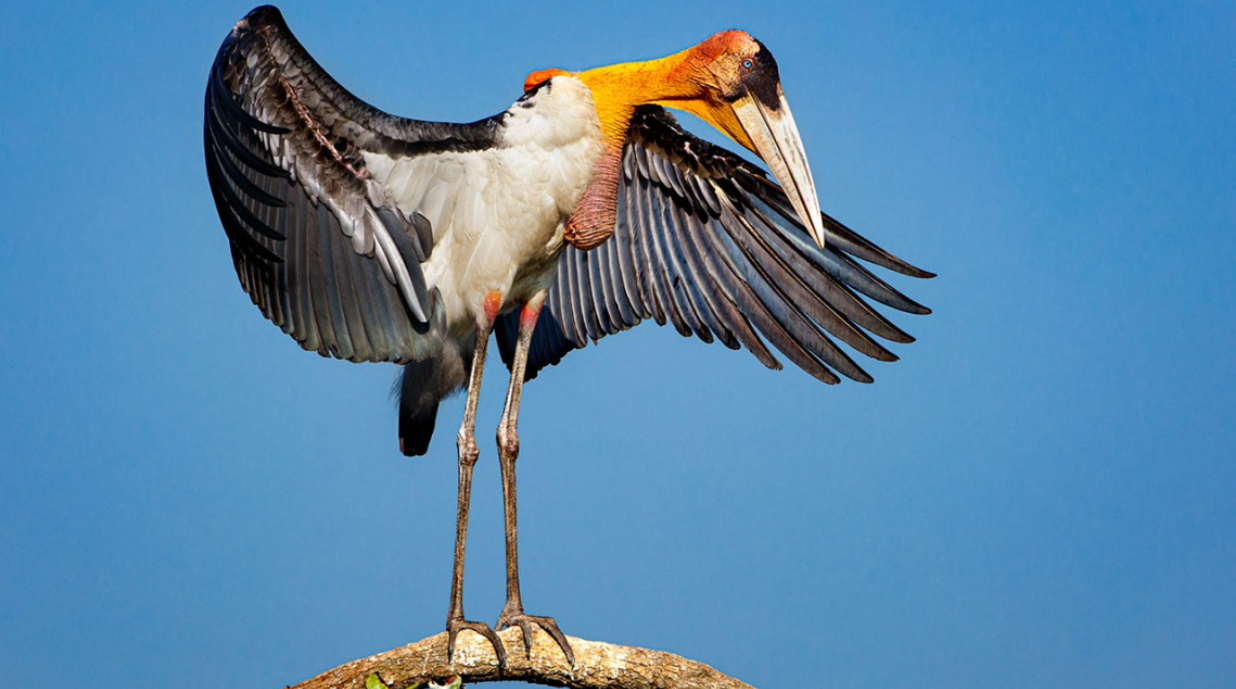
Dr. Purnima Devi Barman’s journey into the wild began with a rigorous academic pursuit of the natural world. She earned her Master’s degree in Zoology, specializing in Ecology and Wildlife Biology, from Gauhati University. Her early scientific career was defined by a deep-seated curiosity about the avian species of the Brahmaputra valley.
While she initially embarked on a PhD focusing on the foraging ecology and breeding success of the Greater Adjutant Stork (Leptoptilos dubius), she famously paused her academic culmination for nearly a decade. This wasn’t a departure from science, but a commitment to it. She realized that if she didn’t save the species she was studying, there would be no data left to analyze. She eventually completed her PhD in Zoology, cementing her status as a leading authority on one of the world’s rarest birds.
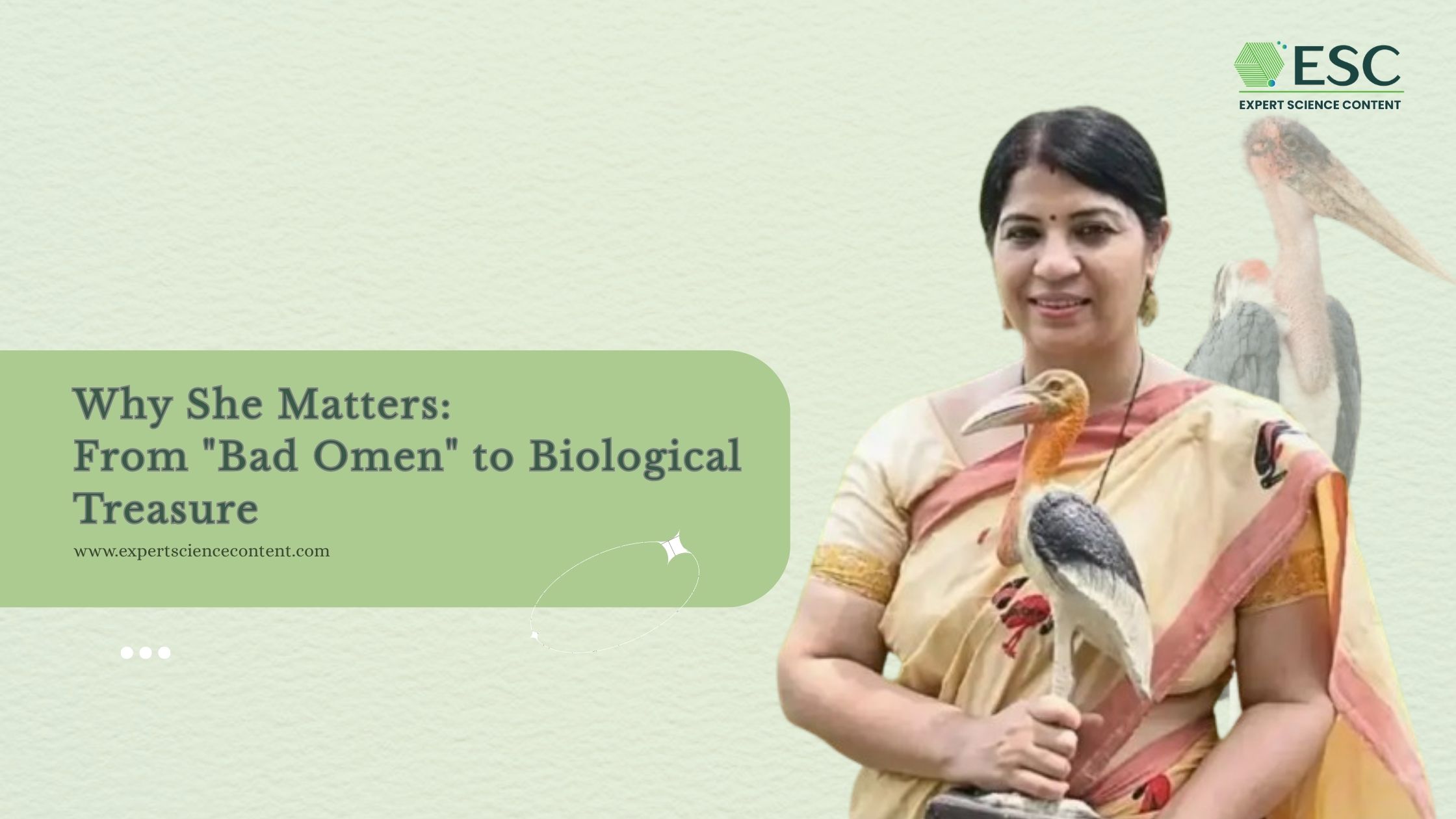 Why does one woman’s focus on a “bone-swallowing” stork matter to the world?
Ecologically, the Greater Adjutant Stork (locally called Hargila) is a vital scavenger. Much like vultures, these birds perform an essential environmental service by cleaning up carcasses, preventing the spread of diseases, and maintaining the hygiene of local ecosystems.
Before Dr. Purnima Devi Barman’s intervention, the Hargila was viewed as a pest and a carrier of bad luck. Nesting trees were chopped down, and chicks were left to perish. Dr. Barman recognized that the extinction of this bird would trigger a trophic cascade, destabilizing the local ecology.
Her work matters because she proved that conservation is not just about animals; it is about human-wildlife coexistence.
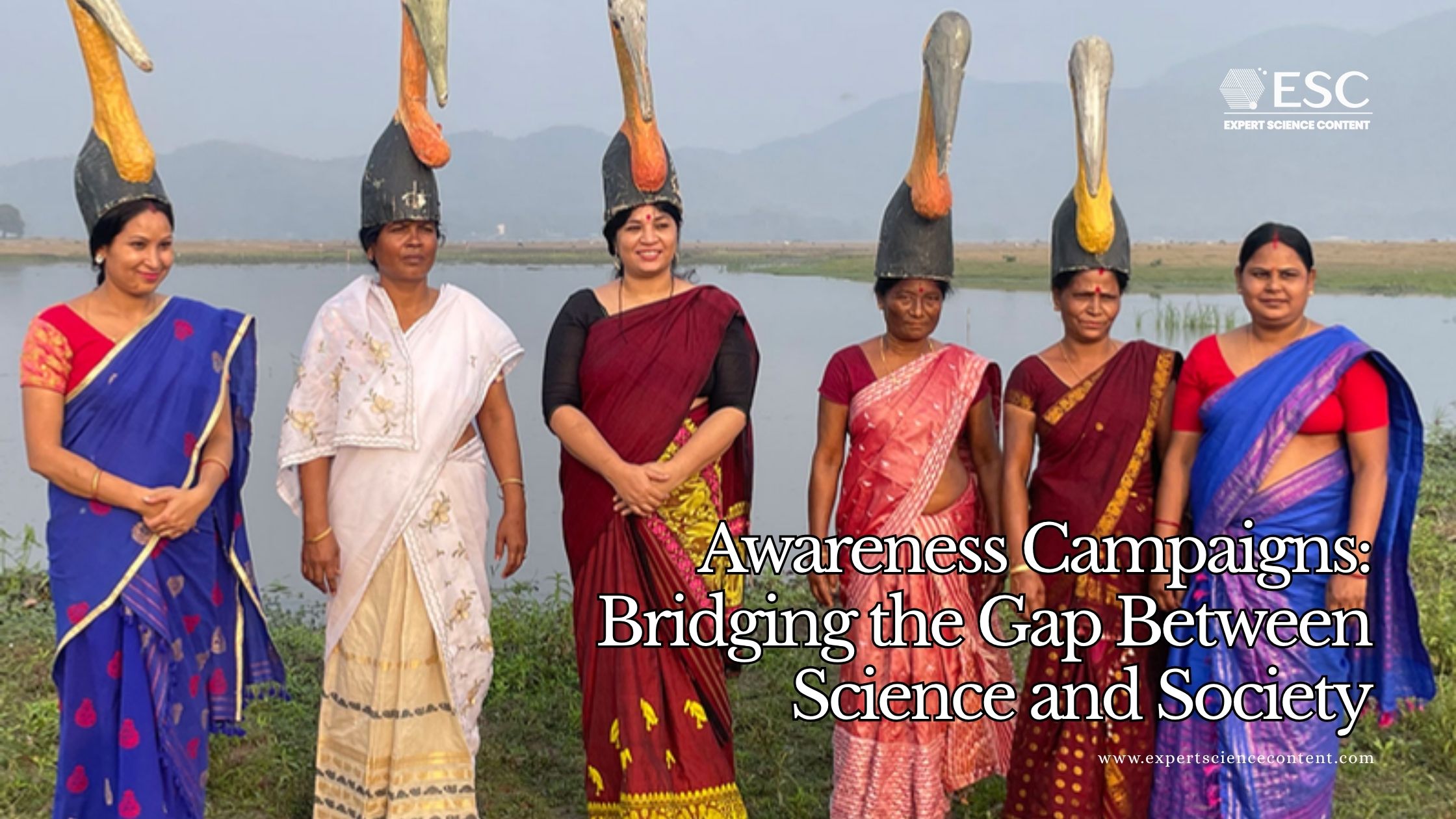 Dr. Barman’s specialty lies in her “Human-to-Human” (H2H) conservation model. She didn’t just study the storks; she studied the people living beneath the nesting trees. She founded the Hargila Army, an all-female conservation initiative that has grown to over 20,000 rural women.
By integrating the stork into local culture, creating “Hargila-themed” handloom textiles and performing traditional songs, she turned conservation into a livelihood. This sociological approach to biology is her signature. She turned marginalized village women into “Stork Sisters” (Hargila Army) giving them agency, income, and a scientific purpose.
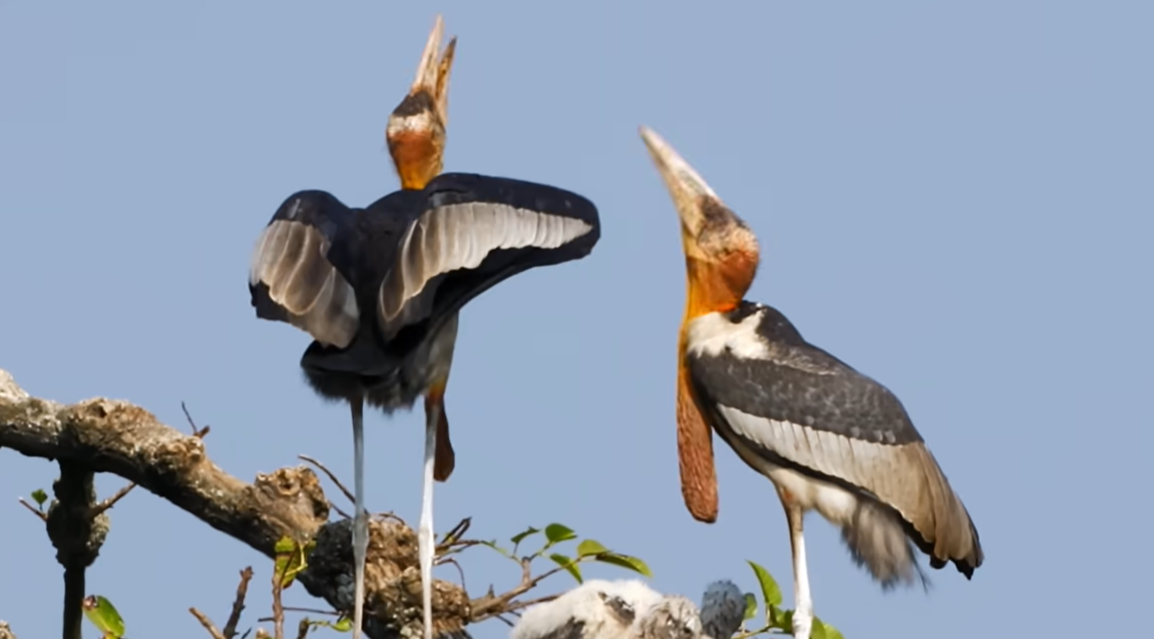
Dr. Purnima Devi Barman’s conservation strategy is multi-dimensional. She understands that to save a species, you must protect its home.
- Habitat Restoration: Under her leadership, the Hargila Army has planted over 45,000 saplings of nesting trees, with plans to reach 100,000 by 2027.
- Plastic-Free Wetlands: Regular cleaning drives remove tons of plastic from the banks of the Brahmaputra, ensuring the storks’ feeding grounds remain uncontaminated.
- Scientific Monitoring: Using her background in biology, she implemented a rigorous monitoring system where community members report nesting activity, contributing to a local breeding population that has seen an eight-fold increase.